Why Wearing a Weighted Vest Wrong Can Actually Wreck Your Posture
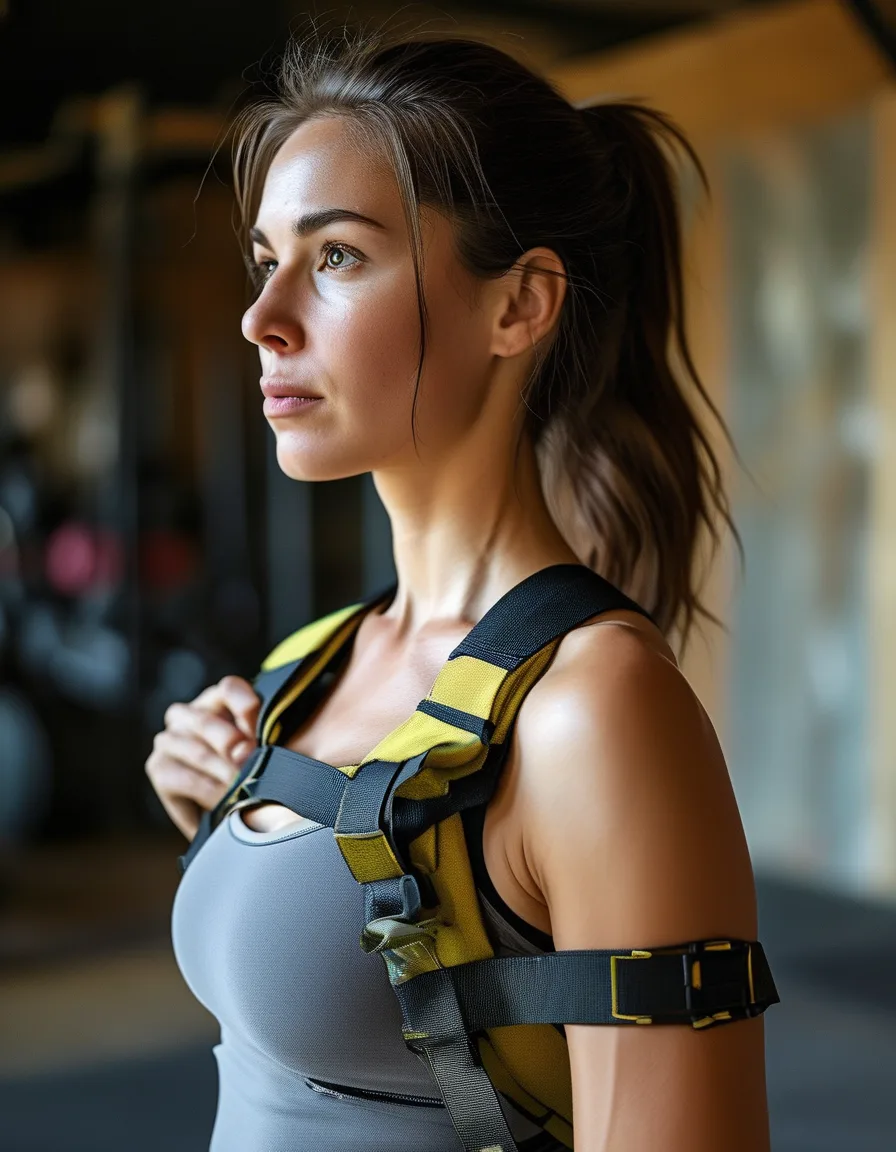
A weighted vest gets put on and worn for a walk with the assumption that any extra load is automatically strengthening posture and bone density. But a vest that hangs loose or carries too much weight for the wearer’s current strength pulls the shoulders forward and rounds the upper back to compensate, working directly against the postural benefit the vest is supposed to provide.
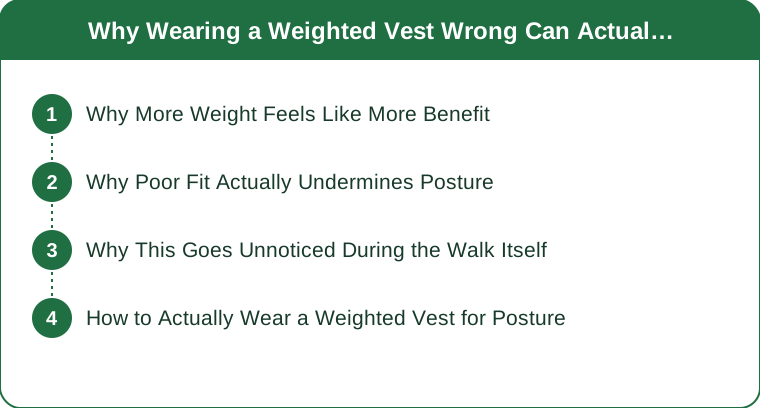
Why More Weight Feels Like More Benefit
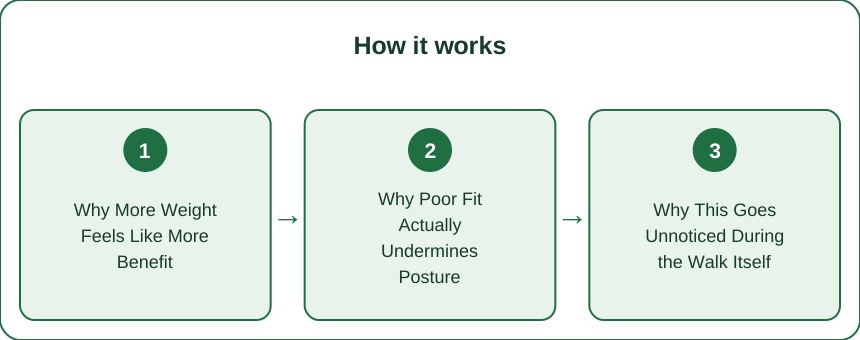
The load-equals-progress assumption: a heavier vest feeling like it should produce a bigger training effect across the board, including posture, similar to how heavier weights build more strength in a lift.
Why Poor Fit Actually Undermines Posture
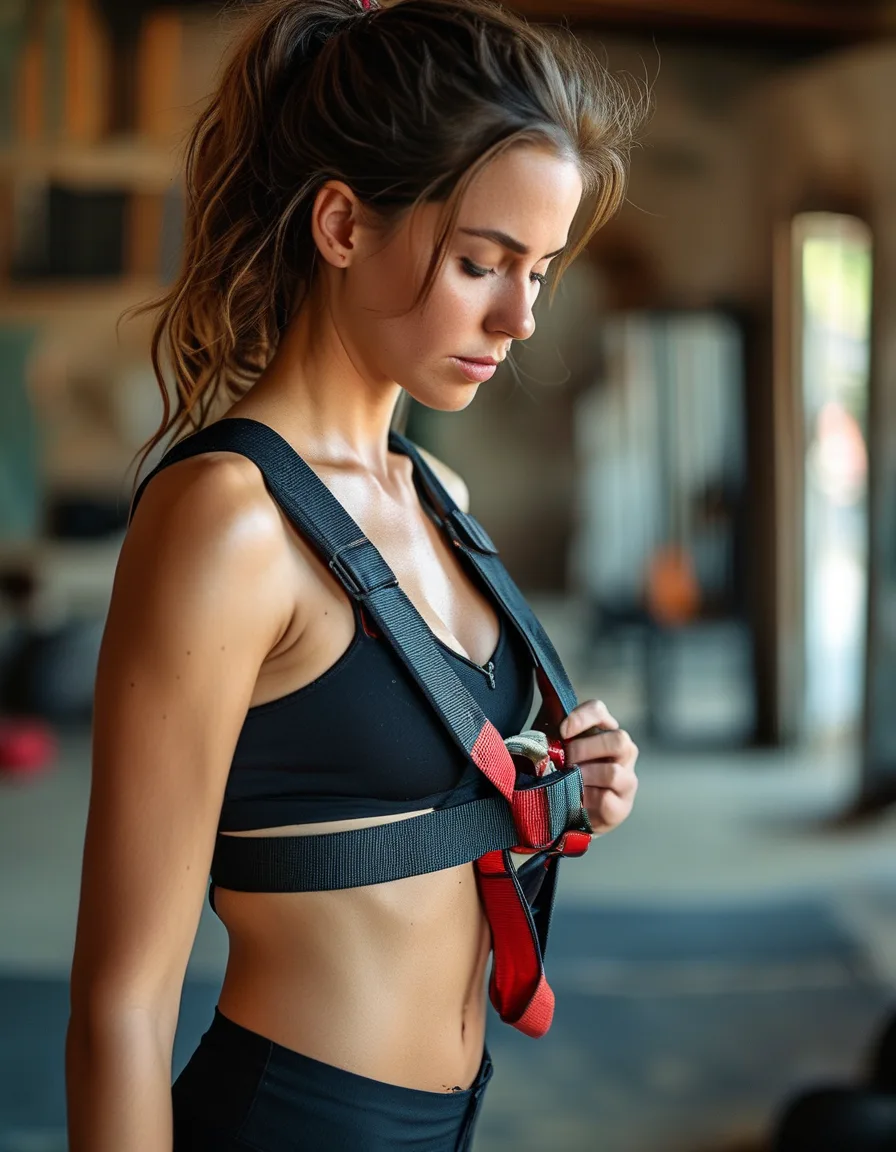
The compensation pattern: a vest that hangs loose or carries weight beyond what the wearer can hold with a tall, neutral spine forcing the shoulders and upper back to round forward to counterbalance the load, and that compensated posture, repeated over every walk, reinforces the exact forward-shoulder pattern a vest is often used to help correct.
Why This Goes Unnoticed During the Walk Itself
The overlap: a weighted vest walk still feeling like a solid workout in the moment, breathing rate and leg fatigue both rising as expected, which masks the subtler postural compensation happening in the shoulders and upper back throughout the same session.
How to Actually Wear a Weighted Vest for Posture
The practical check: choosing a vest that sits snug against the torso without shifting, starting with a load light enough to maintain a tall, neutral spine for the entire walk, and increasing weight only once that posture holds without effort, and the frame (a loose or overloaded vest forces forward-shoulder compensation — fit and an appropriate starting weight are what actually let a vest support posture instead of undermining it.)
A weighted vest gets put on with the assumption that any extra load automatically strengthens posture and bone density. But a vest that hangs loose or carries too much weight forces the shoulders and upper back to round forward to counterbalance the load, reinforcing the exact forward-shoulder pattern a vest is often used to help correct. The walk still feels like a solid workout in the moment, which masks the subtler postural compensation happening underneath. Choosing a vest that sits snug against the torso and starting with a load light enough to hold a tall, neutral spine is what actually lets it support posture.
Keep Reading
This article is for general informational purposes only and is not medical advice. Always consult a qualified health professional for guidance specific to you.