Five Weighted Vest Sessions Sorted by How Much Time You Have
Quick Answer: A weighted vest adds load without adding equipment complexity, which makes it the most time-efficient tool most people own. The right session is decided by the clock: ten minutes suits loaded walking or stairs, twenty suits a circuit, forty suits a proper hill or ruck. Load should sit around five to ten percent of bodyweight for movement-heavy sessions.
Most weighted vests are bought with enthusiasm and used four times. The reason is almost never the vest - it is that people plan sessions for an hour they do not have.
Here are five sessions matched to real windows of time, with what the vest actually contributes to each.
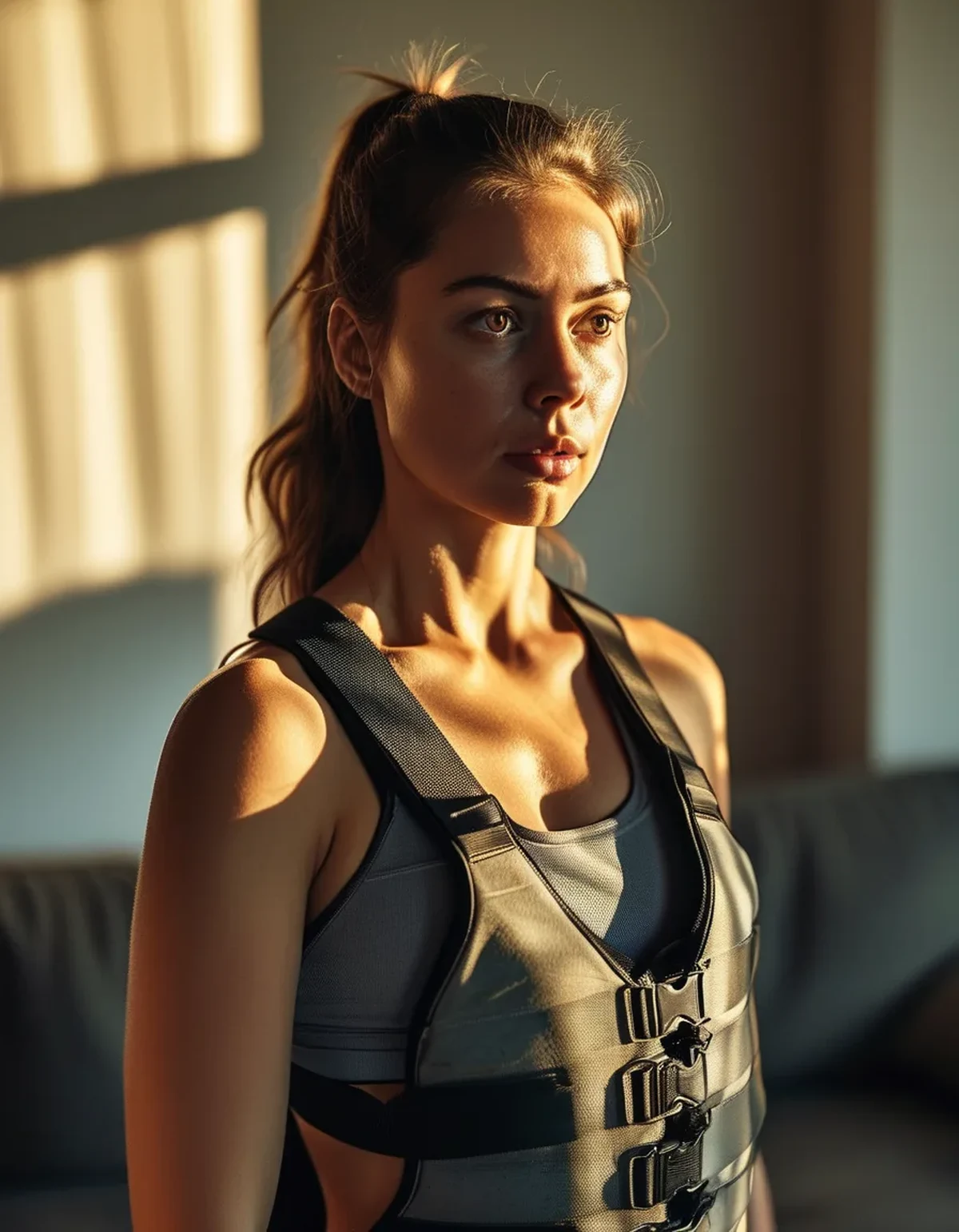
Session 1: Ten Minutes on the Stairs
A flight of stairs, a vest at around five percent of your bodyweight, and ten minutes.
Walk up at a steady pace, walk down carefully, repeat. That is the whole session, and it is genuinely effective. Loaded stair climbing raises heart rate quickly and loads the glutes and quads through a large range without any technical skill requirement.
The descent is where the caution lives. Walking down stairs under load is eccentric work on the quads and knees, and it is where most of the soreness comes from. Take the descent slowly and deliberately, hold the rail, and if your knees are unhappy about loaded descents, use the lift or a ramp for the down portion and only load the climb.
Keep the load conservative here. Stairs already multiply the demand, and stacking heavy load on top is the fastest way to a knee complaint. Five percent of bodyweight is plenty for this session.
What it is good for: cardiovascular work, glute and quad loading, and doing something meaningful in a genuinely short window. It also requires no space and no floor, which makes it viable in an apartment.
What it is not: a strength session. This is conditioning with load, and it should feel like brisk work rather than heavy lifting.
Session 2: Twenty Minutes of Loaded Carries and Bodyweight
A vest, a small space, and a simple alternating circuit.
The structure: two minutes of walking with the vest, then a bodyweight movement, repeated. Squats, push-ups, lunges, and step-ups all work well, and the walking between them acts as active recovery that keeps the heart rate up.
Why the vest helps here specifically: it loads bodyweight movements that would otherwise be too easy. A squat with ten percent of bodyweight added is meaningfully harder, and push-ups with a vest are one of the most efficient upper body progressions available at home.
Load can go higher for this one - ten percent of bodyweight is reasonable for a mixed circuit, since the movements are slower and more controlled than in a stair session.
Watch the push-up position. A vest that shifts forward when you are horizontal pulls on the neck and shoulders, so a vest that fits snugly matters far more for floor work than for walking.
Sequence it so the same muscles do not go back to back. Squats, then push-ups, then walking, then lunges - alternating upper and lower keeps the quality high for the full twenty minutes.
What it is good for: a genuinely complete session in a small window with one piece of equipment. This is the session that makes a vest worth owning.
Session 3: Thirty Minutes of Hills
Any outdoor incline, a vest, and half an hour.
Walk up briskly, walk down easily, repeat for the duration. The simplicity is the point - there is nothing to plan and nothing to count.
This is the best cardiovascular use of a vest. Uphill walking under load produces a high heart rate at a low joint impact, which makes it accessible to people for whom running is uncomfortable and useful for people who run and want a low-impact hard session.
Autumn is the ideal season for this and it is worth saying plainly. Cooler air means you can work harder before overheating, which matters a lot under a vest - the vest covers your torso and significantly reduces your ability to shed heat. A session that is unpleasant in August is genuinely enjoyable in October.
Downhill under load deserves respect. The eccentric loading on the quads walking downhill with added weight is substantial, and it produces delayed soreness that surprises people two days later. Build up the volume gradually.
Load: five to ten percent of bodyweight. Higher loads on hills feel heroic and mostly buy you joint stress rather than fitness.
What it is good for: aerobic fitness, leg endurance, and building the specific capacity that hiking and hill sports need.
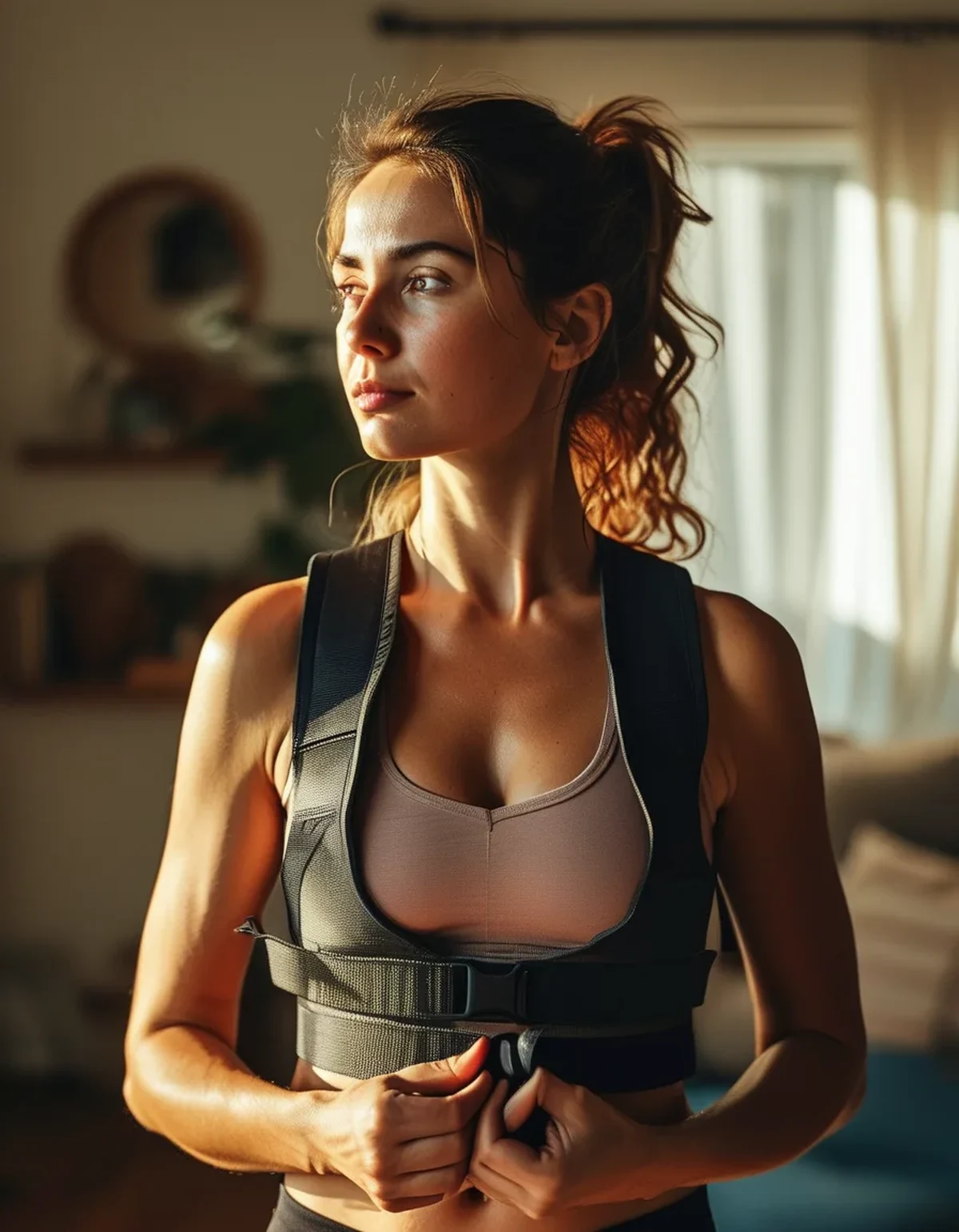
Session 4: Forty-Five Minutes of Rucking
A vest or a loaded pack, a route, and a longer block of time.
Walk at a purposeful pace for the duration. That is it - the demand comes from the load and the time, not from intensity.
Rucking is the session with the best ratio of benefit to unpleasantness in this whole list. The heart rate sits in a useful aerobic zone, the load builds postural and leg endurance, and it can happen while listening to something or with company.
A pack distributes load differently from a vest - it sits behind you and pulls the shoulders back, whereas a vest is balanced front and back. For longer durations, many people find a well-fitted pack more comfortable than a vest, and hip belts transfer load to the pelvis rather than the shoulders.
Posture is the thing to watch. Under load for forty-five minutes, most people gradually round forward. Check in every ten minutes: chest open, shoulders back, core lightly engaged.
Load can be higher here, ten percent or a bit above for experienced ruckers, and should be built up over weeks rather than chosen on day one.
What it is good for: aerobic base, mental restoration, and the kind of durable fitness that transfers to hiking, long days on your feet, and general resilience. This is the session that keeps a vest in use for years.
Session 5: Twelve Minutes of Everyday Loading
The vest worn during something you were already doing.
Wear it while walking the dog, doing housework, or on a school run - the loading happens inside time you were already spending.
This is the highest-adherence option by a wide margin, because it requires no dedicated time. It is also the one people dismiss as not being a real workout, which undersells it - walking under load for a cumulative hour a week produces genuine aerobic and postural adaptation.
Keep the load light for all-day-style wear. Five percent or below. Long-duration wear under heavy load produces shoulder and neck problems and stops being useful.
Do not wear a vest for a full working day. Sustained load on the shoulders and spine for hours is a different proposition from a walking session, and there is little to gain and a real amount to lose.
Take it off if posture starts to break down. Rounding forward under load for extended periods is training the posture you do not want.
What it is good for: consistency, which beats intensity for almost everyone over a year. The session you actually do repeatedly is worth more than the perfect one you plan and skip.
A general note across all five: if you have back, knee, or shoulder problems, or you are pregnant or postpartum, get individual guidance before adding load to walking and bodyweight work. This is general fitness information rather than medical advice.
FAQ: Weighted Vest Questions, Answered
How heavy should the vest be?
Five to ten percent of bodyweight covers nearly all of these sessions. Heavier vests exist and are mostly useful for short, specific strength work rather than for movement and conditioning.
Is a vest or a backpack better?
A vest for anything involving getting on the floor or moving dynamically, and a pack for longer walks where a hip belt can transfer load off the shoulders. For most people the vest is more versatile.
Can I run in a weighted vest?
It is generally not recommended - running multiplies impact forces and a vest multiplies them again, which loads joints considerably. Walk, hike, or climb stairs under load, and run without it.
How often should I use it?
Two to four sessions a week is plenty, with rest days between the harder ones. Loaded walking is low-impact enough to do more frequently; loaded circuits and stairs need recovery like any strength work.
TL;DR:
- The right weighted vest session is decided by your available time: ten minutes on stairs, twenty for a carry-and-bodyweight circuit, thirty on hills, forty-five rucking, or light load worn during ordinary tasks.
- Five to ten percent of bodyweight covers almost everything, and heavier is rarely better for movement-based work.
- Descents and downhills under load are where the soreness and the knee risk live, so build that volume gradually.
- Cool autumn air is genuinely the best weather for vest work, because a vest badly limits your ability to shed heat.
The vest on the door is not failing you. It was just waiting for a session that fits the twelve minutes you actually have.
Keep Reading
This article is for general informational purposes only and is not medical advice. Always consult a qualified health professional for guidance specific to you.