5 Features to Check Before Buying a Weighted Vest (Not Just the Weight)
Quick Answer: Beyond max weight capacity, check weight distribution (front-and-back vs all-front), adjustability in small increments, breathability of the material against skin, and whether the fit accommodates a chest that a unisex design often ignores. These four details predict comfort far better than the weight number alone.
Every weighted vest listing leads with its max weight capacity, as if that’s the only variable that matters. The features that actually determine whether you keep wearing it are usually buried in the product photos, not the headline spec.
Tip 1: Check weight distribution, not just total weight
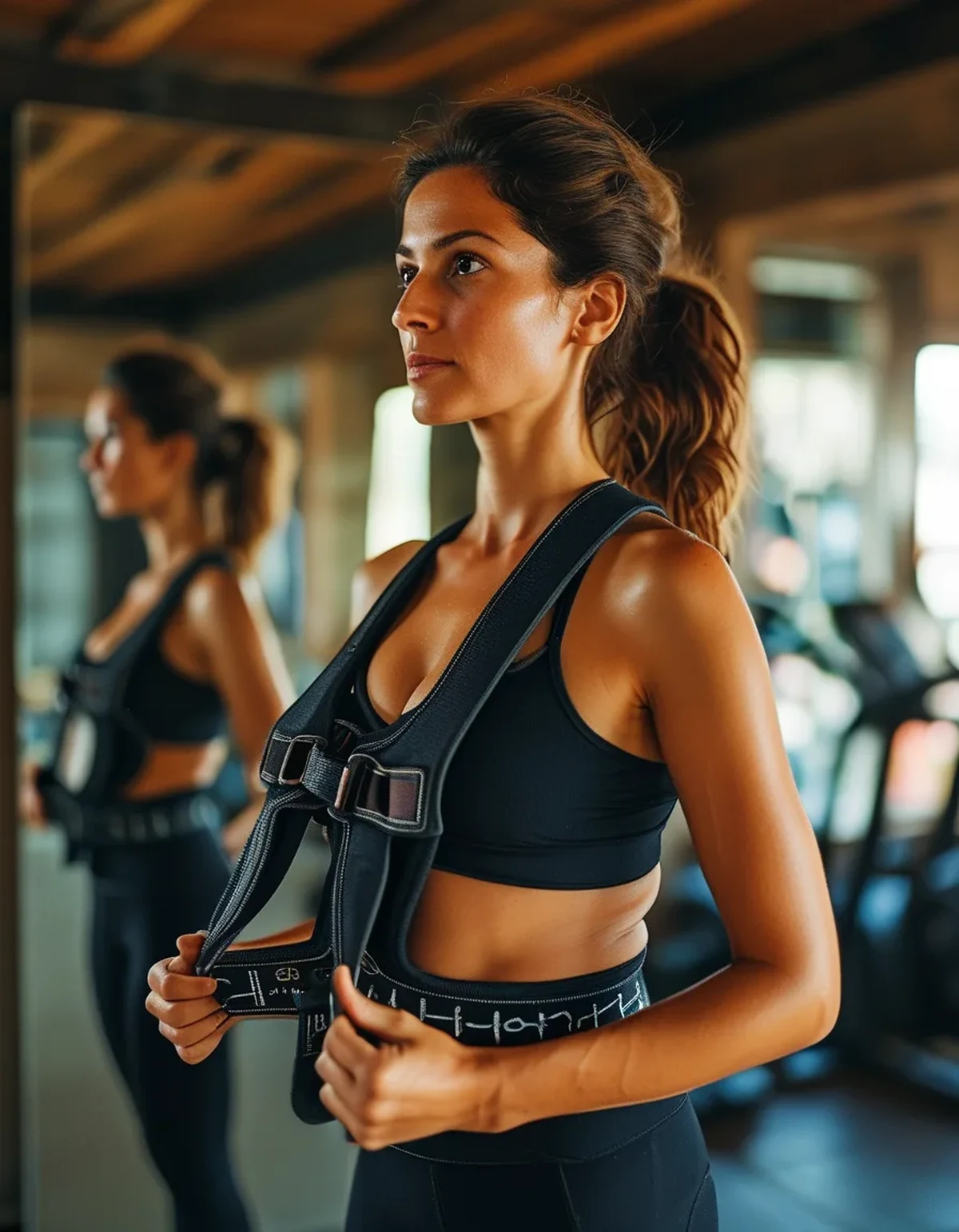
A vest that loads all its weight at the front pulls your shoulders forward and strains your lower back within 20 minutes. Front-and-back balanced distribution keeps your posture neutral and is worth prioritizing over a slightly higher max weight capacity.
Tip 2: Small weight increments matter more than max capacity
Most people start far below a vest’s maximum and build up gradually. A vest with 1-2 lb adjustable increments lets you progress properly; one that only jumps in 5-10 lb steps forces you to skip your actual right progression point.
Tip 3: Breathable material prevents the vest from becoming unbearable
Neoprene traps heat fast, and a vest worn for a 45-minute walk in warm weather becomes genuinely miserable in poor material. Mesh-paneled or moisture-wicking fabric on the areas against your torso makes the biggest comfort difference of any single feature.
Tip 4: Check the fit for a female-specific chest profile
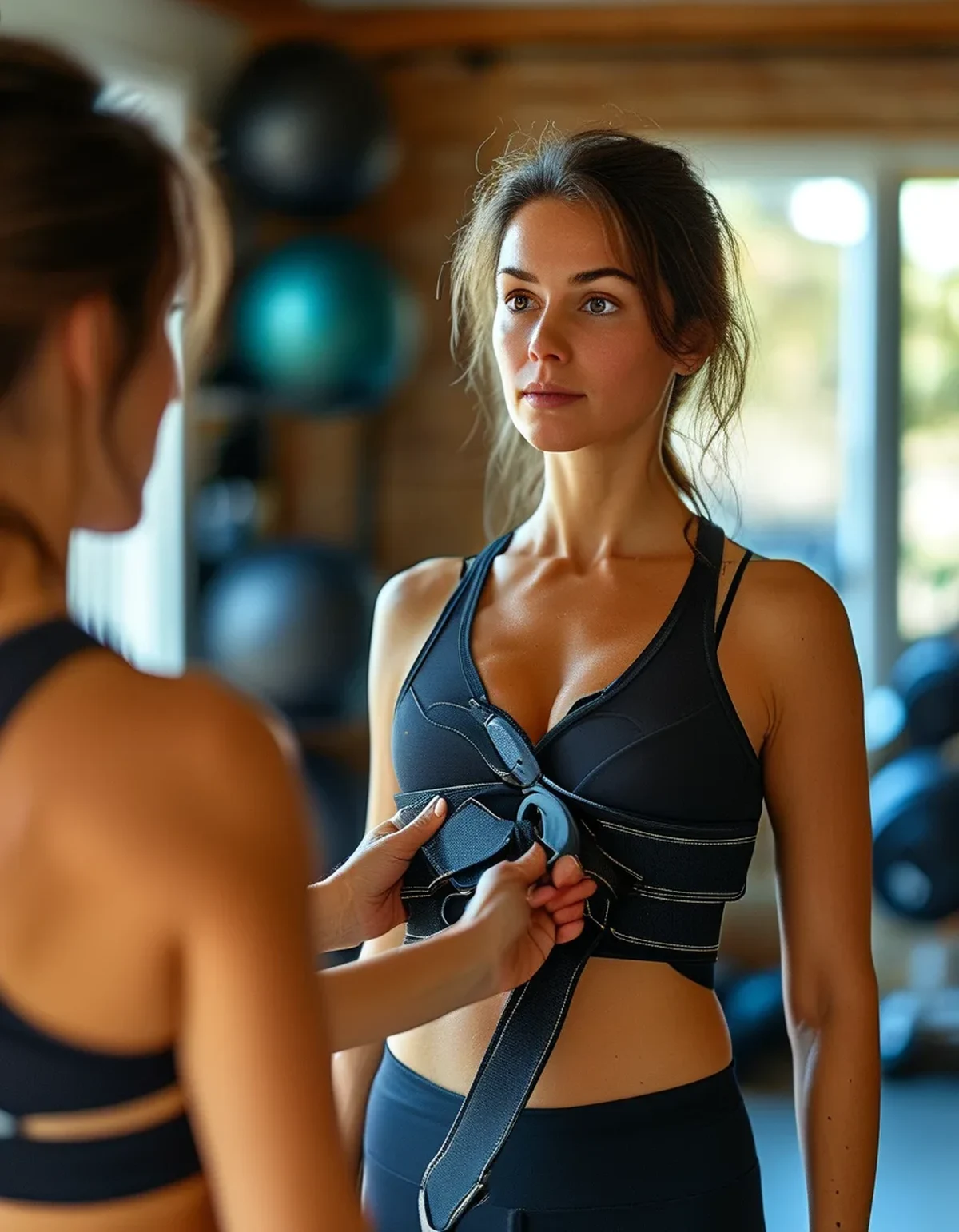
Many vests are designed on a unisex block that sits awkwardly across the chest, digging in or riding up during arm movement. Vests with a contoured or adjustable chest panel avoid this — worth specifically checking reviews for, since it rarely appears in the spec list.
FAQ: Weighted Vest Buying Questions, Answered
Is a higher max weight capacity always better to buy?
No — buying far beyond what you’ll realistically use just adds bulk and cost; most recreational users never exceed 20-25 lbs, so a 50 lb max vest is unnecessary for most goals.
Do weighted vests need to be washed, and does that affect durability?
Yes, sweat buildup degrades straps and padding over time — look for vests with removable or wipeable padding, since fully machine-washable vests are rare.
Should beginners buy an adjustable vest or a fixed-weight one?
Adjustable, almost always — a fixed-weight vest that feels right on day one often feels too heavy or too light within a few weeks of consistent use.
TL;DR:
- Weight distribution across front and back matters more than max capacity
- Small adjustment increments (1-2 lb) allow real progression
- Breathable, mesh-paneled material is the difference between wearable and abandoned
- Chest-contoured fit avoids digging and shifting during movement
Read past the max-weight headline number — the four features above predict whether the vest becomes a daily tool or a closet item within a month.
Keep Reading
This article is for general informational purposes only and is not medical advice. Always consult a qualified health professional for guidance specific to you.